
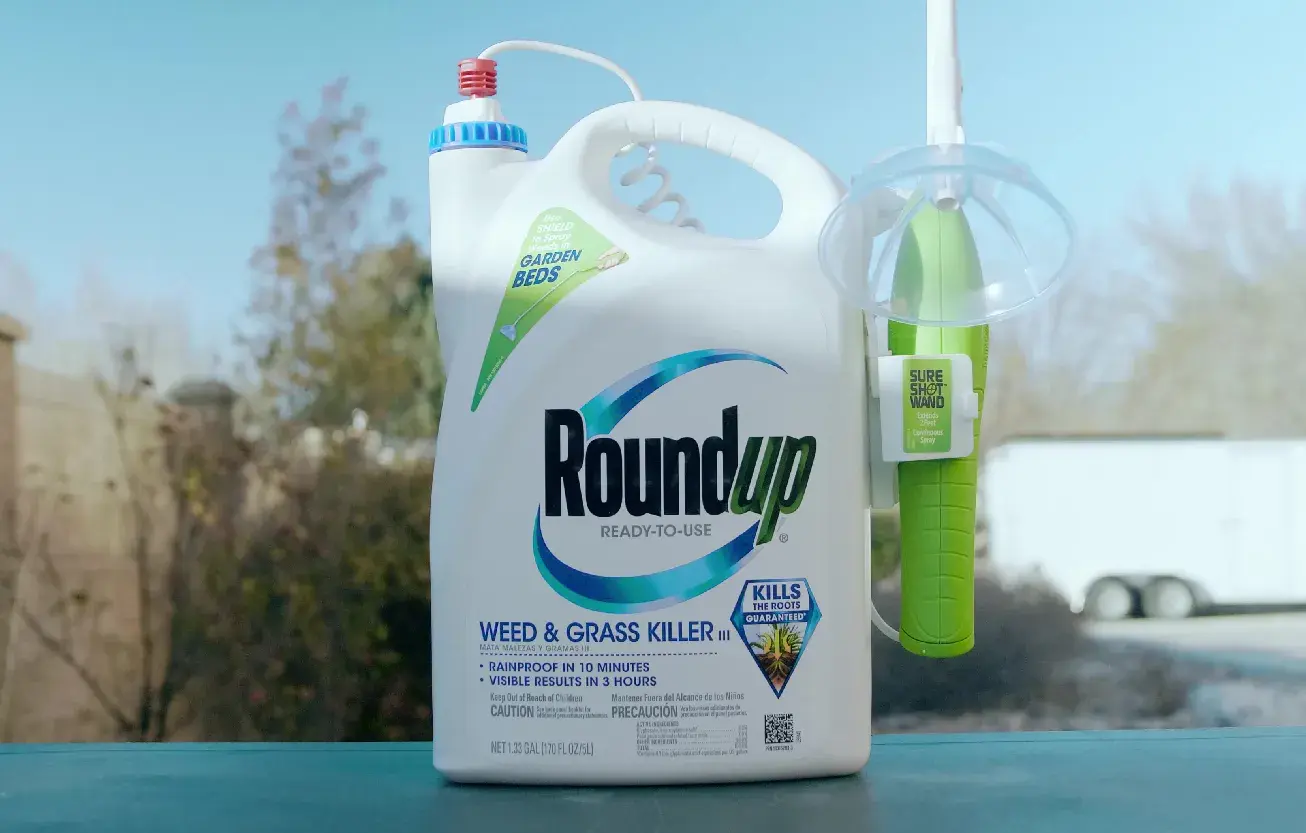
Roundup has been one of the most widely used weed killers in the world for decades. Despite mounting research that suggests glyphosate, the active ingredient in many Roundup products, may be associated with increased cancer risk, the herbicide is still available across the United States. Many people affected by serious health conditions, including non-Hodgkin lymphoma, wonder why the product remains on store shelves and what steps they can take if they believe exposure may have played a role in their illness.
The History of Roundup and Its Widespread Use
Roundup entered the market in the 1970s and quickly became a staple for agricultural, commercial, and residential weed control. Its popularity grew even more with the introduction of genetically modified crops designed to tolerate glyphosate, allowing fields to be sprayed without damaging crops. Roundup is now found in soil, water, air, and even in human urine samples, according to published research summarized in the Glyphosate, Roundup and the Failures of Regulatory Assessment review.
The widespread use of Roundup has contributed to environmental concerns, including resistant “superweeds,” soil contamination, and impacts on soil organisms. Studies cited in the same review describe negative effects on mycorrhizal fungi, earthworms, and microbial communities that support healthy soil systems.
Health Concerns Linked to Glyphosate
A growing body of scientific research has examined whether glyphosate exposure may be associated with certain cancers. The International Agency for Research on Cancer (IARC), part of the World Health Organization, has classified glyphosate as a “probable human carcinogen” based on sufficient evidence in animals and limited evidence in humans, including studies showing a positive association with non-Hodgkin lymphoma. Other research has examined endocrine disruption, oxidative stress, organ toxicity, and DNA damage linked to glyphosate or glyphosate-based formulations.
The Legal Battles Over Roundup
Roundup lawsuits have become one of the largest mass tort litigations in recent history. More than 100,000 claims have already been filed by individuals who allege that exposure to Roundup products contributed to their non-Hodgkin lymphoma diagnosis. Many early trial verdicts resulted in significant awards, reflecting juries’ findings that Monsanto/Bayer failed to adequately warn consumers of potential risks. Although many claims have been settled, thousands remain active, and new filings continue as more individuals become aware of the potential link.
For more information, read our blog Important Roundup updates for March 2025.
Conflicting Regulatory Perspectives
One of the primary reasons Roundup remains on the market is that regulatory agencies worldwide have reached differing conclusions regarding glyphosate’s safety.
In the United States, the Environmental Protection Agency (EPA) maintains that glyphosate is “not likely to be carcinogenic to humans” when used as directed. At the same time, the European Union has continued to debate whether stricter limits or bans should be implemented, concluding most recently in 2023 that a ban is not justified. The conflicting positions between governments and scientific studies make it difficult for consumers to understand the product’s true risks.
Why Roundup Remains on Store Shelves
Roundup remains widely available for these key reasons:
- The U.S. has not banned glyphosate.
- Bayer’s changes only affect residential products.
- Bayer announced it would remove glyphosate from residential Roundup formulas starting in 2023, but commercial agricultural formulations continue to be sold.
- Regulatory conclusions differ from research findings.
Alternatives to Glyphosate-Based Weedkillers
For individuals seeking to reduce or avoid exposure, several alternatives exist:
- Organic treatments such as acetic acid (vinegar-based products), iron-based herbicides, or essential-oil weed control solutions.
- Non-chemical strategies such as manual weed pulling, mulching, flame weeding, and planting ground cover to reduce weed growth.
- Commercial alternatives, including Avenger, BurnOut II, Fiesta, Iron-X, and Phydura, are highlighted in Consumer Notice’s list of Roundup substitutes.
Programs at NC State, the University of Maryland, and others also provide guidance for home landscapes.
What Victims of Roundup Exposure Should Do
If you or a loved one has been diagnosed with non-Hodgkin lymphoma after regular Roundup use, you may have questions about whether your exposure could be relevant. Legal Injury Advocates helps individuals explore whether their situation may meet the initial criteria for a legal claim review.
Our role includes:
- Gathering information about your exposure history
- Reviewing general eligibility factors
- Connecting individuals with collaborating co-counsel for further evaluation when appropriate
This process is free, and clients do not pay any upfront fees for claim reviews. Outcomes cannot be guaranteed, and every situation is reviewed individually.
Explore Your Legal Options After Roundup Exposure
If you believe your diagnosis may be connected to past Roundup exposure, taking the first step is simple. You can share a few details securely through our qualification form so our team can help you understand whether your situation may meet the preliminary criteria for further review.
—