

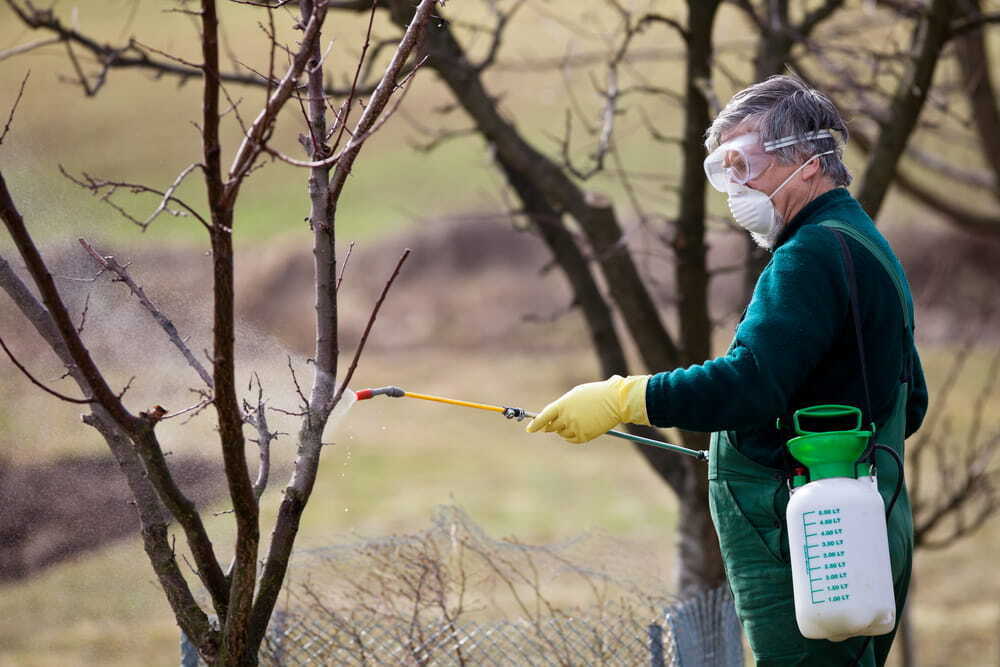
Paraquat and glyphosate are at the center of significant legal scrutiny across the United States. Both herbicides are used throughout the United States, and both have been the subject of health-related concerns and ongoing research. Hundreds of individuals and families who have been diagnosed with Parkinson's disease and non-Hodgkin lymphoma are coming forward with claims alleging a possible link between their conditions and exposure to these weed killers. While both are herbicides designed to control unwanted vegetation, they are fundamentally different chemicals with distinct toxicity profiles and reported health concerns. If you or a loved one has been exposed to either of these chemicals and subsequently developed serious health conditions, understanding these differences may help you explore whether your exposure could be relevant.
What is Paraquat?
Paraquat dichloride is an extremely toxic herbicide used predominantly in commercial agricultural settings to eliminate weeds and grasses. It is commonly referred to as simply “paraquat.” It is sold under various brand names, the most common of which is Gramoxone. The Environmental Protection Agency (EPA) has classified paraquat as a "restricted use" pesticide, meaning that only certified, licensed applicators are permitted to purchase and apply it. The toxicity of paraquat is so severe that it has been banned in over 30 countries worldwide, including throughout the European Union and China. Despite this, paraquat remains legal in the United States. Due to its extreme danger, non-bulk paraquat sold in the U.S. is now packaged in a closed-system container with a tamper-proof cap.
What is Glyphosate?
Glyphosate is the active ingredient in Roundup, one of the most recognizable and widely used herbicides in both agricultural and residential applications worldwide. Unlike paraquat, glyphosate is readily available for purchase by the general public and can be found in hardware stores and garden centers nationwide. The chemical works by disrupting a specific enzyme pathway essential for plant growth, and manufacturers have historically maintained that it poses minimal health risks to humans. However, growing scientific research has raised serious concerns about glyphosate's potential carcinogenic properties, particularly its possible association with non-Hodgkin lymphoma. Other regulatory agencies have reached different conclusions, and the scientific debate continues.
Key Differences Between Paraquat and Glyphosate
Toxicity Level
Paraquat is dramatically more acutely toxic than glyphosate. A single teaspoon of paraquat has been reported as potentially fatal in some cases, which is why such strict safety measures are required by the EPA. Glyphosate, while controversial for its potential long-term health effects, does not carry the same immediate lethal risk from accidental ingestion.
Availability and Use
The accessibility of these two herbicides differs significantly. Paraquat is restricted exclusively to certified commercial applicators who have completed specialized training and obtained proper licensing. Glyphosate products, on the other hand, are sold widely to homeowners and can be purchased without any special certification. This difference in availability affects who is at risk for exposure and under what circumstances exposure typically occurs. Agricultural workers, farmers, and professional landscapers face the highest risk with paraquat, while glyphosate exposure can affect a much broader population, including residential users.
Primary Health Concerns
The primary health concern most frequently examined in relation to paraquat exposure is Parkinson's disease, a progressive neurological disorder. Some research studies have examined whether occupational exposure to paraquat may be associated with an increased risk of developing Parkinson's disease. For glyphosate, the main health concern under investigation centers on cancer, particularly non-Hodgkin lymphoma.
Reported Health Risks Associated with Paraquat
Epidemiological research has examined whether paraquat exposure may be associated with Parkinson's disease. Agricultural workers, farmers, and crop dusters face the greatest risk from exposure, primarily through inhalation of airborne particles and dermal contact during application.
Reported Health Risks Associated with Glyphosate
The controversy surrounding glyphosate intensified significantly after the specialized cancer agency of the World Health Organization classified it as a probable human carcinogen in 2015 based on a comprehensive review of available scientific evidence. Since then, numerous epidemiological studies have examined the relationship between glyphosate exposure and non-Hodgkin lymphoma. Additionally, ongoing research has raised concerns about glyphosate's possible effects as an endocrine disruptor and its impact on human gut microbiome health, though studies in these areas continue to evolve and require further investigation.
How to Know Whether Your Exposure May Qualify for a Claim
If you have been diagnosed with Parkinson's disease and have a history of working with or near paraquat-treated fields, or if you have developed non-Hodgkin's lymphoma following regular exposure to glyphosate-based herbicides like Roundup, you may have questions about whether your exposure could be relevant. Several key factors may be considered during a claim review, including documented occupational or residential exposure history, a confirmed medical diagnosis from a qualified physician, and the ability to establish a reasonable timeline connecting your exposure to your health condition. Agricultural workers, commercial applicators, landscapers, groundskeepers, farmers, and individuals who regularly use these products in residential settings are among groups commonly referenced in ongoing investigations, though individual evaluation is required.
Contact Legal Injury Advocates for a Free Claim Review
If you or someone you love has been exposed to paraquat or glyphosate and subsequently developed serious health complications, you deserve answers and the opportunity to seek justice. At Legal Injury Advocates, we help individuals explore their legal options.
We offer free, no-obligation consultations to help you understand whether you have grounds for a claim. Time to file may be sensitive depending on your circumstances and applicable state law, and there is no guarantee of outcomes. Contact us today to schedule your free consultation.
—